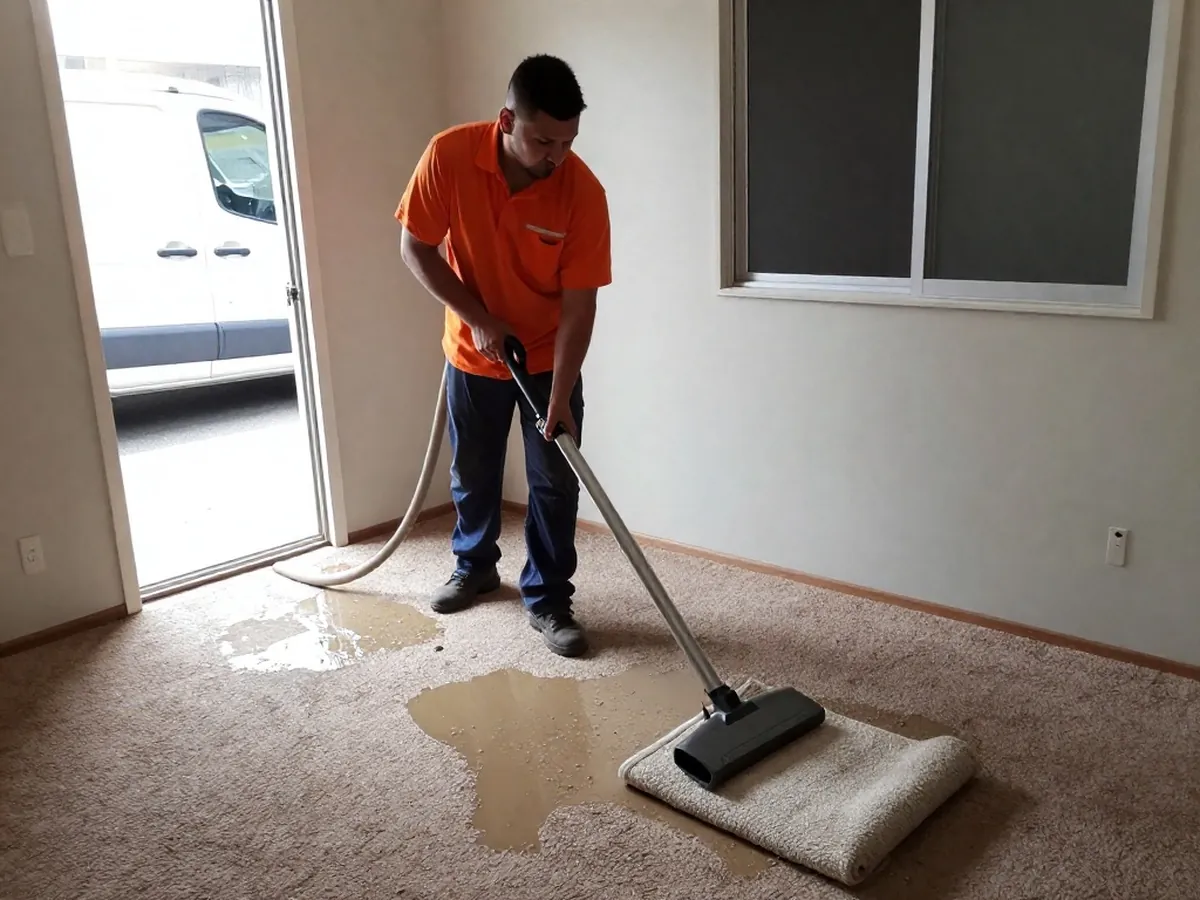
Basement and crawl space water near Lilburn
Flooded Basement Cleanup in Lilburn, GA
Is there water in the basement or crawl space, and no clear way in? Flooded basement cleanup in Lilburn, GA starts with tracing the source and clearing the water. Call (678) 835-3780 and say how deep it is.
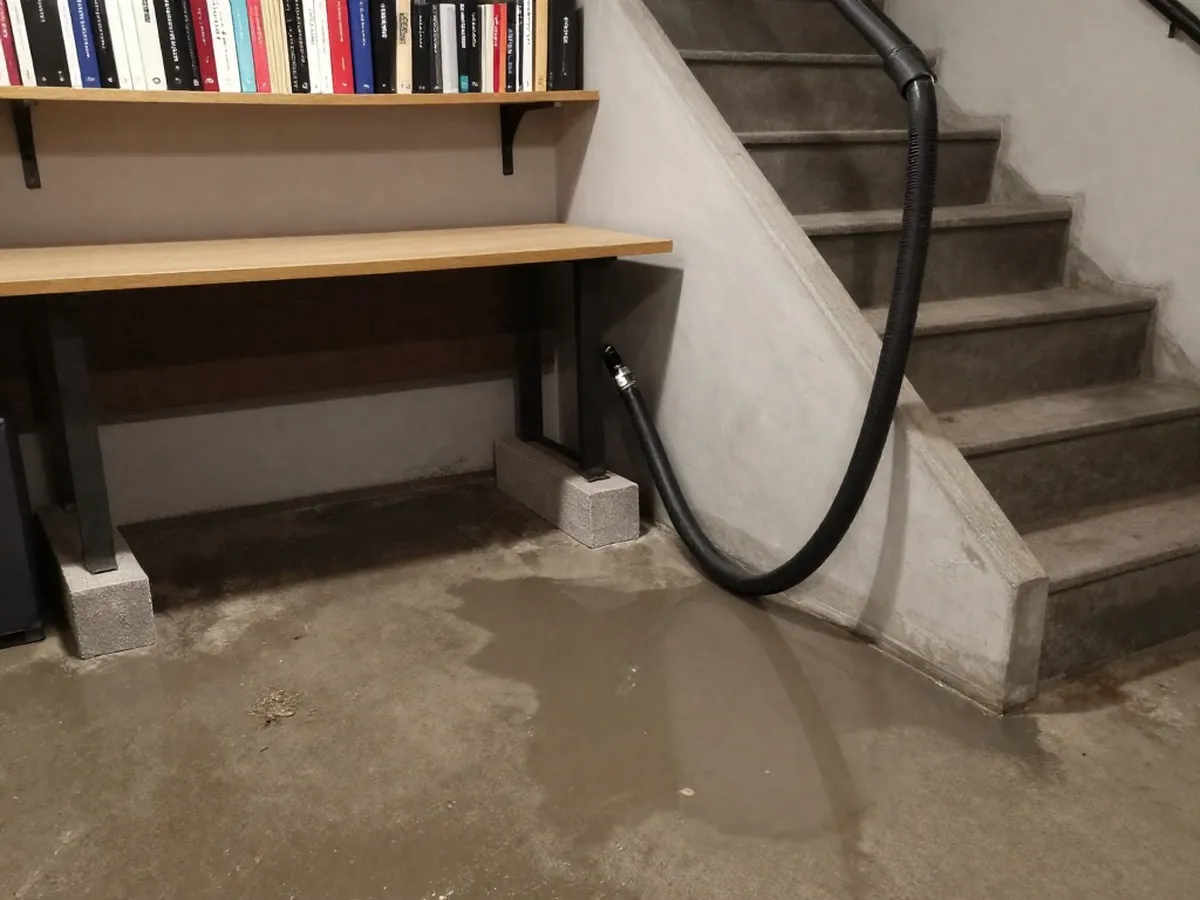
Step back and get help if
Water covers outlets, the water heater controls or the breaker panel: stay out, and dial 911 if you smell burning or see sparks.
The water keeps rising and you cannot tell why: go upstairs and call the water utility, 678.376.7000 in Gwinnett County or 770-270-6243 in DeKalb County.
A gas appliance standing in water, or gas in the air: head outdoors, then use 911 or Atlanta Gas Light's leak line, 877.427.4321.
A generator or gas engine used to dry the space stays outdoors, 20 feet clear of doors, windows and vents; its exhaust carries carbon monoxide.
Local numbers and facts
UGA Extension's outdoor numbers for keeping a foundation dry: downspouts that end 6 to 10 feet out, and a grade that falls roughly 6 inches over 6 to 10 feet. Inside, the checklist also asks for a working sump pump and an intact floor drain.
For water from outside, Lilburn's stormwater page sends sewer overflows and water interruptions to Gwinnett County Dispatch, 678-376-7000. Snellville's stormwater page gives Public Works 770-985-3527. Tucker's public works request form has a Stormwater, Flooding Evaluation choice, and DeKalb's number for blocked storm drains is 404-297-3840.
What sizes up a basement job
No price appears on this site. A basement job grows with the depth and area of the water, whether the space is finished or bare, and what is stored down there. The source matters too: a pump failure, a drain or water from outside. Carpet, padding and drywall that soaked through add to the work. A short video of the room helps.
What people ask before they call
How serious is a flooded basement, from 1 to 10?
Eight to ten: water at outlets, the panel or a gas appliance, or a sewage smell. Stay out and dial 911 for shock, gas or fire. Four to seven: deep water, but nothing electrical in it, so call (678) 835-3780. One to three: a damp strip along one wall, worth a photo and watching.
Is it safe to wade in to look?
Treat it as unsafe. The CDC says a flooded home may be contaminated with mold or sewage, and the state insurance office points out that flood water collects sewage and chemicals on the way in. Keep children and pets out until someone has looked.
Where does a generator belong?
Outside, well away from the house. The CDC's distance is 20 feet clear of every door, window and vent, and it bars gasoline engines from basements, garages and homes. Georgia's insurance office adds that carbon monoxide exhaust kills.
How do I keep water from coming back?
UGA Extension's checklist starts outside: downspouts that end 6 to 10 feet from the foundation, soil sloping away, a vapor barrier of at least 6 to 8 mil in the crawl space, and a working sump pump and floor drain.
What about mold once the water is out?
The EPA says mold damages what it grows on and that items need to dry completely. UGA Extension suggests weighing a dehumidifier if the humidity reading tops 50 percent.
Is basement work offered in Tucker and Snellville too?
Yes. Lilburn is covered along with water damage in Tucker and water damage in Snellville. Say how deep the water is and what the floor is made of, then call (678) 835-3780.
The basement checklist, top to bottom
- 1
Stay on the stairs above the water line, and do not go down if outlets are under it.
- 2
Note where the water enters: a wall, the floor, a drain or the sump.
- 3
Photograph the depth against a stair step.
- 4
Move nothing out until the photos are done.
- 5
Call (678) 835-3780 and give the depth, the finish and the likely way in.
Heavy-rain days, month by month
The Atlanta airport normals count between 1.0 and 1.6 days a month with an inch or more of rain. March is the high at 1.6, and January, February, July, August and December each sit at 1.3 or 1.4. No month is clear of heavy rain.
Basement repairs and city paperwork
Dry-out is one thing, and rebuilding walls, wiring or plumbing below grade is another. The state's contractor facts and the permit offices in each town are on choosing a contractor.
Keep the address, the wet room and the flooring type handy, then call (678) 835-3780. For a rental, contact the landlord or property manager first.
Jobs that go together
Pages this came from
- University of Georgia Extension, Mold and moisture checklist (C1083, reviewed Jun 2021)
- CDC, Reentering your flooded home (reviewed 24 Aug 2026)
- Georgia Office of Insurance and Safety Fire Commissioner, Safety tips for flooding
- EPA, Mold cleanup in your home
- City of Lilburn, Stormwater management
- City of Snellville, Stormwater and drainage
- City of Tucker, Submit a public works request
- DeKalb County Public Works, Emergency services and reporting
Checked 1 Nov 2026