Drying Out a House After a Leak: Plain Answers on Fans, Mold and Soaked Carpet
Do the fans help, is a dehumidifier worth it, what about a mold test and the soaked carpet? Answers drawn from the CDC, the EPA, UGA Extension and Georgia's insurance office.
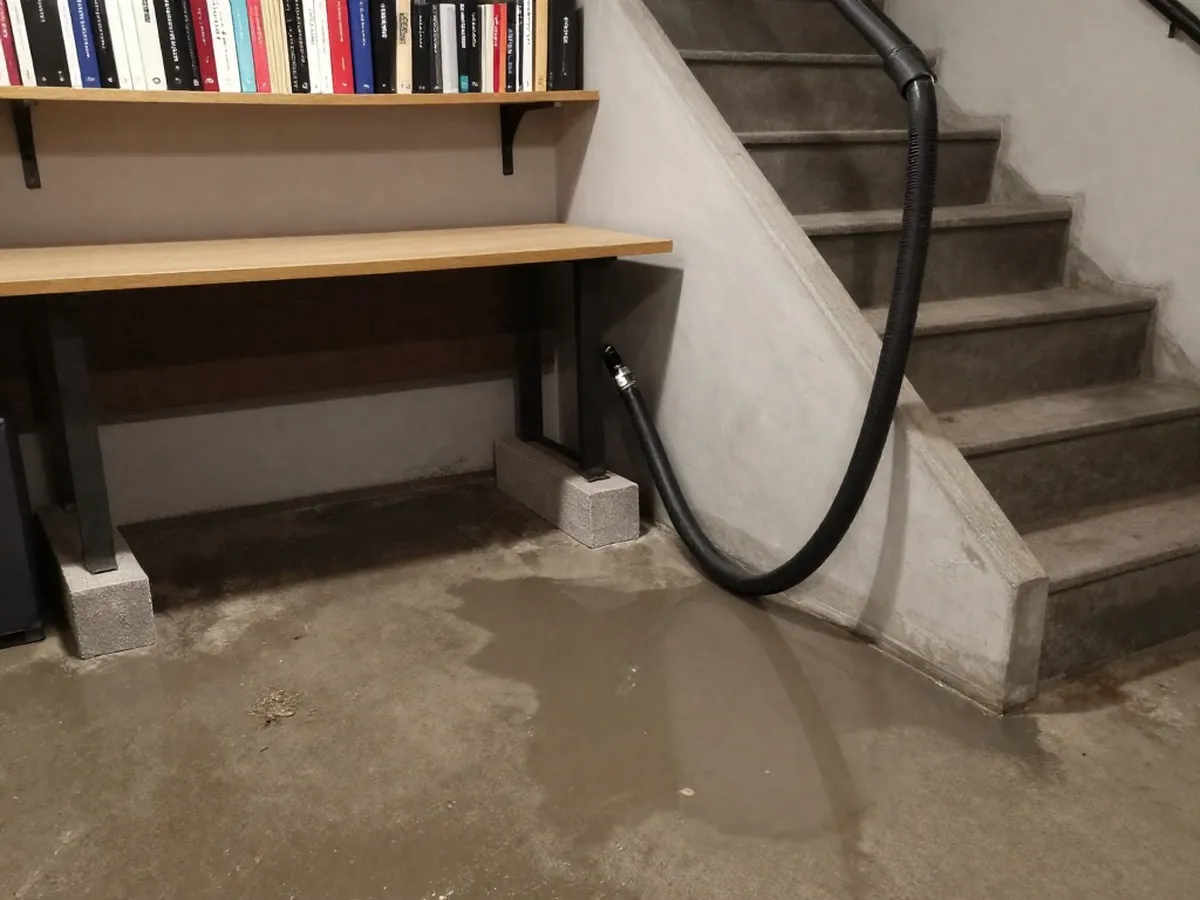
When does the drying clock start?
Once the building is safe to enter, the CDC wants a flooded house dried out as soon as it can be, to prevent mold.
UGA Extension's moisture checklist puts a number on it for areas with peeling paint or discoloration: find the source, remove it, and get the area dry inside 24 to 48 hours. The EPA's warning is that mold damages what it grows on, and the longer it grows, the more damage it can cause.
Which direction do the fans face?
Outward. The CDC says to place fans at a window or door so the air blows out of the house, so as not to spread the mold.
Georgia's insurance office credits large fans with speeding up drying and curbing mold growth. A generator or gasoline engine stays outdoors, and the CDC measures the distance at 20 feet clear of every door, window and vent.
If the house has been shut up for several days, the CDC says to enter briefly to open the doors and windows.
Is a dehumidifier worth running?
The CDC lists dehumidifiers beside fans for removing excess moisture. UGA Extension's checklist says to consider one when indoor humidity reads over 50 percent, and it names a moisture meter or humidistat to check.
Summer air adds to the load. The Atlanta airport normals put July at 16.4 days of 90 F or higher, and the monthly counts add to about 47 days a year. That station is the airport, not a Lilburn yard.
What has to go in the trash?
The CDC's list starts with food that was exposed to flood or storm water, which gets thrown out. Georgia's insurance office adds soaked carpeting and padding, since floodwater picks up sewage and chemicals on the way in.
The EPA adds that absorbent materials like ceiling tiles and carpet can be a total loss once they turn moldy. Photograph each item first and keep damaged things for the adjuster, as the state insurance office asks. Permanent repairs wait for the insurer's inspection.
Does a mold test help?
UGA Extension's checklist says generally no. The university's field report calls expensive tests unnecessary and says blackish or greenish stains, or a musty smell, point to mold.
The EPA puts the household-sized job at a patch under roughly 3 feet by 3 feet. It adds that paint and caulk do not belong over mold.
Did the water come up through a drain?
Then it is a different job. For damage caused by sewage or other contaminated water, the EPA calls for a professional with experience in it, and the CDC notes that a flooded home may be contaminated with sewage or mold.
Keep children and pets out. Gwinnett County Water Resources has an emergency line for flooding and other water trouble, 678.376.7000, and DeKalb Watershed Management answers sewage system emergencies at 770-270-6243.
Fans have run for days. Is it time to call?
If water is standing, or a wall or floor is still wet after a day or two of fans, the drying has outgrown a weekend. The pages on water extraction and mold after water damage describe what the first look includes.
Call (678) 835-3780 with the rooms, the flooring and when the water began. With wet wiring or a gas smell, get out and dial 911.
Pages this came from
- CDC, Reentering your flooded home (reviewed 24 Aug 2026)
- EPA, Mold cleanup in your home
- University of Georgia Extension, Mold and moisture checklist (C1083, reviewed Jun 2021)
- UGA CAES Field Report, Heavy rain, leaky pipes can create mold-friendly conditions (28 Apr 2005)
- Georgia Office of Insurance and Safety Fire Commissioner, Safety tips for flooding
- Georgia Office of Insurance and Safety Fire Commissioner, Insurance claim tips
- NOAA NCEI, 1991-2020 monthly normals, Atlanta Hartsfield station USW00013874
- Gwinnett County Water Resources, Contact
- DeKalb County Watershed Management, Services and billing
Checked 1 Nov 2026